
Sleep and Strength Training: How Much Does It Really Matter?
If you’ve ever cancelled a workout because of poor sleep the night before, you’re not alone.
Maybe the kids were up half the night. Maybe work was on your mind. Maybe you woke at 3am and spent the next two hours staring at the ceiling. Maybe, like at the time of writing this, it’s hot and your room resembles at oven, even at 11pm.
It’s easy to convince yourself that today’s session is pointless. The internet doesn’t help. Somewhere along the line, we’ve been led to believe that unless you’re getting eight hours of perfect sleep every night, you can’t build muscle, lose weight or make any meaningful progress in the gym.
The reality is far less dramatic.
Sleep is incredibly important. It affects recovery, performance and long-term health. But one poor night’s sleep doesn’t undo months of hard work, and waiting for perfect conditions before you train usually means you’ll spend more time waiting than training.

If you don’t get enough sleep, it’s harder to recover – but one bad night’s sleep is very different to sleeping badly every night
Why Sleep Matters
When you train, you’re asking your body to adapt.
You create tiny amounts of damage within muscle tissue, place demands on your nervous system and challenge your cardiovascular system. The improvements don’t happen during the workout itself. They happen afterwards, as your body repairs and adapts to what you’ve asked it to do.
Sleep is a big part of that process.
It’s during sleep that many of the repair processes involved in recovery take place. Your body continues building and repairing muscle tissue, restoring energy stores and preparing you for the next day’s activity. Your brain also processes new movement patterns, which is one reason exercises often feel smoother after you’ve practised them a few times.
That doesn’t mean every hour of sleep is magical or that one restless night suddenly stops all of these processes. Like almost everything in fitness, it’s the bigger picture that matters.
One Bad Night Changes Less Than You Think
We’ve all had mornings where we feel tired before the day has even begun.
You might notice you’re not quite as sharp. The weights might feel slightly heavier than usual. Your motivation may be lower.
None of that means you’ve suddenly become weaker.
Your body doesn’t erase months of consistent training because of one poor night. Your muscles don’t disappear overnight, and your fitness doesn’t vanish because your sleep tracker gave you an unimpressive score.
This is one of the biggest misconceptions we see. People often assume that because they don’t feel at their best, they can’t make progress.
The Problem Is Chronic Poor Sleep
Where sleep really starts to matter is when poor sleep becomes the norm rather than the exception.
If you’re regularly sleeping five or six interrupted hours night after night, recovery becomes harder.
Training sessions begin to feel more difficult, your energy levels can drop and your appetite may become harder to manage as your willpower and decision making is compromised.
Small aches and pains can linger for longer than usual, and you may simply feel less enthusiastic about exercising at all.
This isn’t because your body has stopped responding to training. It’s because it’s trying to recover while constantly working with fewer and fewer resources.
That’s very different from having the occasional bad night.
Should You Still Train?
This is probably the question we get asked most often.
The answer depends on how you feel overall, not just how many hours you slept.
If you’ve had one poor night’s sleep but otherwise feel well, we’d usually encourage you to stick to your plan. You might not set a personal best that day, and you might leave one or two repetitions in reserve instead of pushing to absolute failure.
That’s perfectly sensible. The habit of turning up consistently is almost always more valuable than waiting for the mythical ‘perfect training day that rarely arrives.
On the other hand, if you’re genuinely exhausted, ill, struggling to stay awake or finding that weeks of poor sleep are catching up with you, taking a lighter session or an extra recovery day can be the smarter decision.
Good coaching, and good training, isn’t about following a programme blindly. It’s about knowing when to push and when to ease off.
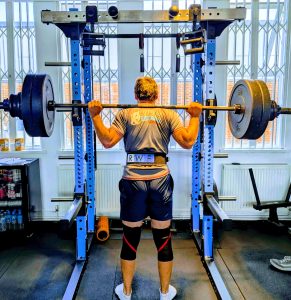
Plenty of people have broken sleep – like Chris here -with kids and pressures of running a business. It’s not a total barrier to success
Don’t Chase Perfection
Modern fitness has a habit of making everything feel like an optimisation problem.
The perfect bedtime. The perfect mattress. The perfect supplements. The perfect room temperature. The perfect sleep tracker score.
Most people don’t need perfect. They need good enough, consistently. After more than twenty years coaching people, we’ve worked with parents of newborn babies, shift workers, emergency service staff, business owners, teachers and people caring for elderly relatives.
Very few of them had perfect sleep. Many of them still became stronger, fitter and healthier. Would perfect sleep have helped? Almost certainly. Did imperfect sleep stop them making life-changing progress? Not at all.
The Things That Actually Make a Difference
There are plenty of expensive products promising to transform your sleep, and some may help.
Most people don’t need to overcomplicate it though. Going to bed at roughly the same time most nights is helpful. Keeping caffeine intake sensible later in the day can make a difference if you’re sensitive to it.
Getting outside into natural daylight early in the morning helps regulate your body’s natural sleep rhythm. Having a bedroom that’s quiet, dark and comfortable gives you the best chance of sleeping well.
None of those ideas are revolutionary, but that’s probably why they work.
The goal isn’t perfection. It’s giving yourself the best chance of recovering well, while accepting that real life will occasionally get in the way.
Don’t Let Sleep Become Another Excuse
One thing we’ve noticed over the years is that people often underestimate what they can achieve with consistency.
It’s easy to think ‘I’ll start training when work calms down’. Or, ‘I’ll get back into the gym once I’m sleeping better’
Sometimes that’s sensible. More often, those perfect conditions never arrive and life continues to throw challenges at us.
The people who make the most consistent progress aren’t usually the ones with perfect routines. They’re the ones who keep showing up, adjust their expectations when necessary and understand that fitness is built over months and years, not judged by one difficult Tuesday morning.
Sleep matters, but it’s just one variable
Sleep matters.
It’s one of the most important parts of recovery, and improving your sleep will usually improve your training. But don’t fall into the trap of believing that one poor night’s sleep has ruined your progress.
Your body is remarkably resilient. Train consistently. Recover as well as you realistically can. Accept that life won’t always be perfectly organised.
That’s how most people get stronger in the real world.
Frequently Asked Questions
Is six hours of sleep enough to build muscle?
More sleep is generally better for recovery, but six hours occasionally won’t stop you building muscle. The bigger concern is consistently sleeping too little over weeks or months, as this can affect recovery, performance and motivation.
Should I skip the gym after a bad night’s sleep?
Not necessarily. If you feel generally well, consider training but lower your expectations slightly. Focus on good technique and consistent effort rather than chasing personal bests.
Does strength training help you sleep?
For many people it does. Regular exercise has been shown to improve sleep quality, although very intense sessions late at night may affect some people’s ability to fall asleep.
Can I make up for poor sleep with a nap?
A short daytime nap can help reduce tiredness, but it doesn’t completely replace a good night’s sleep. Think of it as a useful boost rather than a full recovery strategy.
What’s more important for recovery, sleep or nutrition?
They’re closely linked. You can’t completely make up for poor sleep with perfect nutrition, and you can’t out-eat consistently poor recovery. Long-term progress usually comes from getting both reasonably right rather than obsessing over either one.
If you’re based in Nottingham and would like to learn how strength training could help you feel stronger, healthier and more confident, book a free personal training session. We’ll discuss your goals, answer your questions and show you how the right programme can help you get more out of life, both now and in the years ahead.
If you’d like to see what we’re about, get in touch or arrange a free 7-day trial.
Book your free Personal Training session today
If you’re in Nottingham and thinking about working with a personal trainer, this is the perfect opportunity to see what professional coaching can do.
Book your FREE personal training session and discover how expert guidance, a structured plan and genuine accountability can help you build strength, improve your fitness and achieve lasting results.
There’s no pressure and no hard sell. Just the opportunity to experience personal training for yourself, ask questions and see how we work.
After one session, you’ll know whether we’re the right gym, the right coach and the right approach for you.
Sign up to the RWF newsletter

