
Why Do Your Muscles Ache After Exercise? Understanding DOMS and How to Recover Faster
There comes a point after almost every new exercise programme when someone sends me the same message.
“I can’t sit down without holding onto something.”
Or, “Is it supposed to hurt this much?”
If you’ve ever started a new gym routine, returned after years away or tried an exercise you’ve never done before, you’ve probably experienced it yourself. Your muscles feel stiff, sore and reluctant to cooperate. Walking downstairs suddenly becomes a challenge. Sitting on the toilet requires careful planning. Even washing your hair introduces you to new muscles you never knew you had.
The good news is that, most of the time, this soreness is completely normal.
The even better news is that it usually becomes much less of a problem as your body adapts.

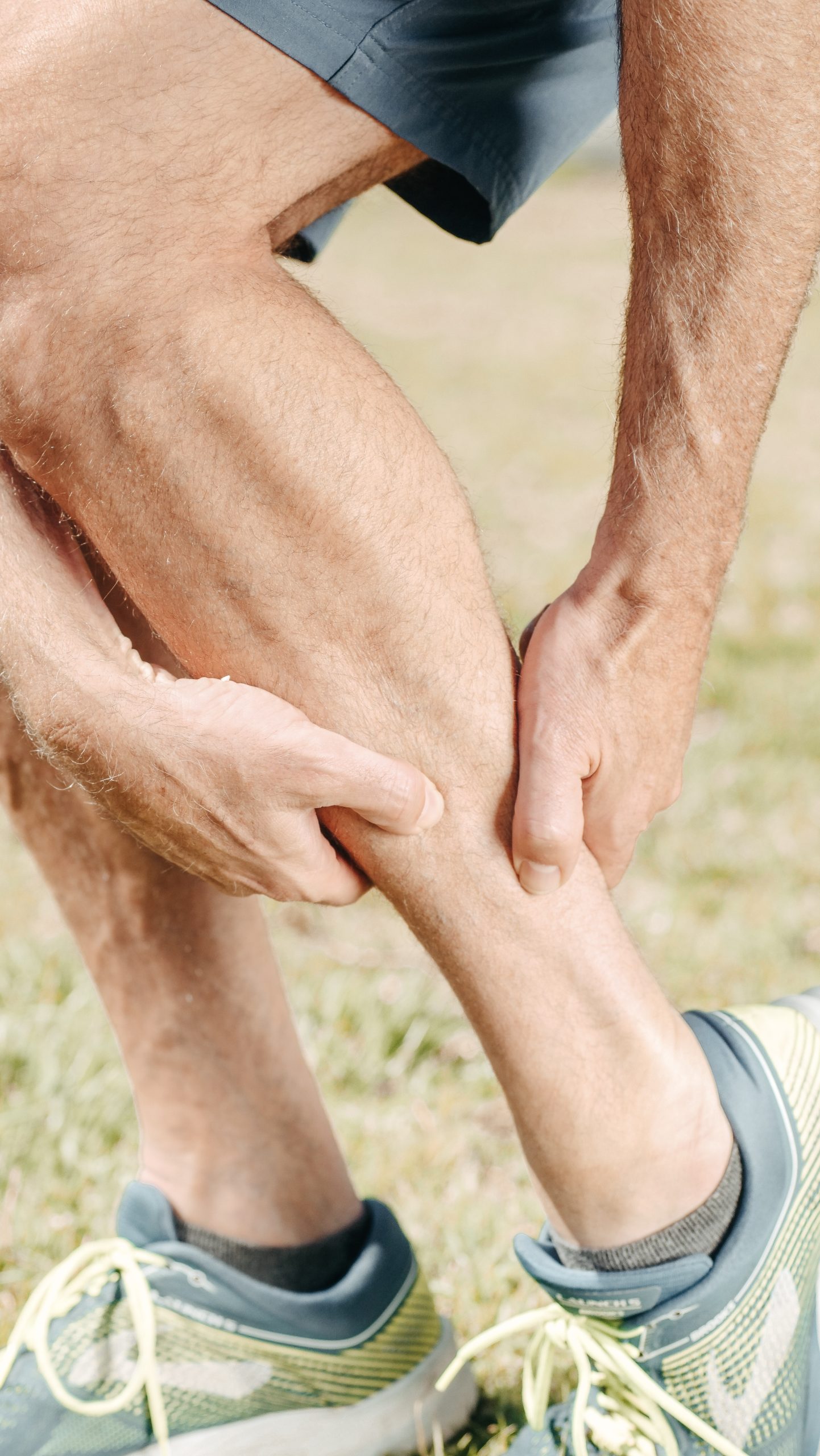
DOMS can be really uncomfortable, but it does pass and should lessen as you train more
What Is DOMS?
The technical name for this type of soreness is Delayed Onset Muscle Soreness, or DOMS.
Unlike the burning sensation you feel during a hard set, DOMS doesn’t usually appear straight away. Instead, it develops gradually over the next day, often becoming noticeable around 12 to 24 hours after exercise before reaching its peak somewhere between 24 and 72 hours later. The ‘day after the day after’ is a pretty good timing metric.
After that, it normally begins to settle by itself.
DOMS is most common after exercises your body isn’t used to, or a variation in rep ranges, volume or change of technique. It could be your first strength training session in years, the first game of padel you’ve ever played or simply trying a new movement in the gym.
Your muscles haven’t suddenly become damaged beyond repair. They’ve simply been asked to do something unfamiliar, and had an understandable protest about it.
Is It Caused By Lactic Acid?
No.
This is one of those fitness myths that refuses to disappear.
Lactic acid is produced during hard exercise, but your body clears it within an hour or so of finishing. It isn’t sitting in your muscles for three days making you sore.
Instead, DOMS is thought to be caused by tiny amounts of muscle damage alongside inflammation and the repair process that follows. Your body responds by rebuilding the muscle tissue stronger and more resilient than before.
That’s why the soreness arrives later rather than immediately after training.
Does Feeling Sore Mean You’ve Had A Good Workout?
Not necessarily, and this surprises a lot of people – including many who should know better.
Some of the best training sessions you’ll ever have won’t leave you particularly sore at all. Equally, some of the worst planned sessions can leave you struggling to walk for four days.
Soreness tells you that your body has experienced something different, but it doesn’t tell you whether the workout was effective. I could make a new client do burpees or squats for most of their hour, and they’d ache like crazy for days. Was it the best use of time, and did the body improve from it? Probably not.
Progress comes from consistent, progressive training over weeks and months, not from seeing how uncomfortable you can make yourself after every session. Our goal in your first few training sessions is for you definitely know you did something, but not restrict your life for the next few days.
In fact, if you’re constantly chasing soreness, there’s a good chance you’re making it harder to recover well enough to train consistently.
Stretching can feel good with light DOMS, but it’s not a miracle cure. You just have to wait it out.
Why Beginners Tend To Ache More
One of the biggest reasons beginners suffer with DOMS is simple.
Everything is new.
Your muscles, tendons and nervous system haven’t learnt the movement patterns yet. Even relatively light weights can create enough unfamiliar stress to trigger soreness.
The same thing happens if you’ve had time away from training. Someone who trained regularly five years ago might still experience significant DOMS during their first few sessions back, even though they were once very experienced.
The encouraging part is that your body adapts remarkably quickly.
Within just a few sessions of repeating the same exercises, most people notice the soreness becoming much less severe. Your muscles become better prepared for the demands you’re placing on them, meaning the same workout causes less disruption the next time around.
It’s one of the reasons consistency beats constantly changing your programme.
Why Some Workouts Leave You More Sore Than Others
Several factors influence how much DOMS you’ll experience.
Exercises that involve lowering a weight under control (the ‘eccentric’ part), such as walking downhill, lowering into a squat or slowly lowering a dumbbell, tend to create more soreness than movements where the muscle is shortening.
Large increases in training volume can have the same effect, as can returning after illness, injury or a long holiday.
Poor sleep, high levels of stress, inadequate protein intake and simply doing far more than your current fitness level allows can all make recovery feel harder too.
It’s rarely just one thing.
Proper training should mean that your DOMS are manageable and don’t impinge on everyday life outside the gym
Can You Still Train If You’re Sore?
Usually, yes.
If the soreness is mild or moderate and your movement is otherwise normal, gentle activity often helps you feel better.
Walking, cycling, swimming or a lighter gym session can increase blood flow and reduce stiffness. You don’t have to wait until every ache has disappeared before exercising again; most of time, another training session can actually remove the DOMS completely rather than malingering for another day.
What you probably shouldn’t do is attempt your hardest leg session of the year when your legs are already too sore to sit comfortably. Sometimes adjusting the workout makes far more sense than skipping it completely.
What Actually Helps DOMS?
Everyone wants the magic solution.
Unfortunately, there isn’t one.
Massage can make you feel more comfortable. Light movement often helps reduce stiffness. Getting enough sleep gives your body the best opportunity to recover. Eating enough protein provides the building blocks your muscles need to repair.
Hydration matters too, and although drinking excessive amounts of water won’t magically wash soreness away, drinking too little will drastically lengthen any recovery period.
Perhaps the biggest factor is patience. It’s one of those things you just have to wait out.
When Should You Be Concerned?
Normal muscle soreness is uncomfortable, but it should gradually improve.
If you develop severe swelling, significant bruising, sharp pain around a joint, loss of strength, numbness or symptoms that continue getting worse over several days rather than better, it’s worth seeking medical advice. That’s unlikely to be DOMS.
Likewise, if you experience severe muscle pain alongside dark, cola-coloured urine after an exceptionally intense workout, seek urgent medical attention. While extremely rare, this can be a sign of rhabdomyolysis, a serious condition requiring immediate treatment. This is vary rare though, and it’s unlikely most people are capable of pushing themselves hard enough to induce it.
Fortunately, the vast majority of post-exercise soreness is not even slightly serious, even if it is a little painful.
What We Tell New Members At Real World Fitness
One of the first conversations we have with new members is about DOMS. Not because we expect them to suffer, but because we don’t want them to panic when it happens.
A lot of people assume they’ve injured themselves after their first proper strength session. More often than not, they’ve simply challenged muscles that haven’t been asked to work like that for a while.
That’s why we build people into training gradually.
The goal isn’t to see how sore we can make someone. The goal is to help them get stronger, move better and come back ready for the next session, because consistency will always beat one epic workout followed by a week of walking like a penguin.
Frequently Asked Questions
How long does DOMS last?
Most people notice soreness starting within 12 to 24 hours, peaking between 24 and 72 hours and settling over the following few days.
Is DOMS a sign that muscle is growing?
Not on its own. You can build muscle with very little soreness, and you can be extremely sore without stimulating much muscle growth. Progressive training and adequate recovery matter far more.
Should I stretch sore muscles?
Gentle stretching may help you feel a little looser, but it won’t dramatically speed up recovery. If stretching feels good, there’s no reason to avoid it, but don’t expect it to cure DOMS.
Should I take painkillers?
Occasional use may be appropriate for some people, but routinely taking anti-inflammatory medication after every workout isn’t generally recommended simply to mask normal muscle soreness. If you’re unsure, speak to your pharmacist or GP.
Why don’t I get sore anymore?
Usually because your body has adapted. That’s a good thing. It doesn’t mean your workouts have stopped working.
Ready To Start Training Without The Guesswork?
Whether you’re completely new to the gym or returning after years away, knowing what’s normal makes the whole process much less intimidating.
At Real World Fitness in Nottingham, we help people build strength safely, progress at the right pace and understand what their body is telling them along the way.
If you’d like to find out more, book a free consultation or come in for a look around. We’ll answer your questions, explain exactly what to expect and help you get started with confidence.
Book a free Personal Training session today
If you’re in Colwick, Netherfield, West Bridgford, or anywhere else in Nottingham and you’re considering personal training, now’s your chance!
Book your FREE personal training session today and let us help turn your goals into an achievable reality.
Don’t just take our word for it; feel the difference in guidance, expertise, and motivation.
Sign up to the RWF newsletter

