

Menopause and Strength Training: Why Every Woman Should Lift Weights
For many women, the menopause can feel as though your body has changed all the rules.
The things that always seemed to work suddenly don’t. Weight becomes harder to manage, energy levels can be unpredictable and everyday life sometimes feels more demanding than it used to. It’s common to hear women say they don’t feel like themselves anymore, and many begin to wonder whether feeling weaker and less capable is simply something they have to accept.
It’s an understandable concern, but it’s one that while you need to acknowledge it, you don’t have to fully accept.
Over the years I’ve worked with hundreds of women through their forties, fifties and sixties, and whilst every experience of the menopause is different, one thing has become very clear. The body continues to respond incredibly well to exercise, particularly strength training. In fact, I’d argue it’s one of the most important times in life to make it a priority, and over the years we’ve never seen sensible, well-supervised strength training make somebody’s menopausal symptoms worse.
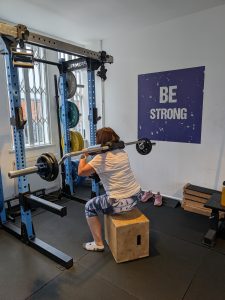
Strength training can help so many aspects of getting older – including mitigating menopause
What changes during the menopause?
Most people associate the menopause with symptoms such as hot flushes, disturbed sleep and mood changes. Whilst those can all have a significant impact on daily life, there are other changes taking place that often receive less attention.
As oestrogen levels fall, maintaining muscle mass becomes more difficult and bone density gradually declines. Recovery from exercise can feel different and many women notice that activities they once took for granted suddenly require a little more effort.
That doesn’t mean your body has stopped adapting. It simply means it needs a reason to hold on to the strength and muscle it once maintained more easily. Without that stimulus, it’s normal to lose muscle over time, and that loss can affect everything from balance and mobility to confidence and independence in later life.
The encouraging news is that muscles still respond when you train them. Bones still benefit from weight-bearing exercise and your body remains remarkably adaptable, regardless of your age.
Why strength training matters more than ever
When people hear the words ‘strength training’, they often imagine heavy barbells, competitive athletes or spending hours in the gym.
For most women, it doesn’t need to look anything like that.
Strength training is simply about asking your muscles to work a little harder than everyday life demands. That might involve dumbbells, resistance machines, kettlebells or even your own bodyweight. The equipment matters far less than the consistency.
One of the things I enjoy most about coaching women through the menopause is seeing how quickly the focus shifts away from appearance. Initial conversations often revolve around weight gain or body shape, but after a few months they’re usually talking about something completely different.
They’re pleased they can spend all afternoon gardening without paying for it the next day. They realise they’ve stopped dreading walking around on a city break. They’ve danced at a wedding without sore knees. They’ve played with their kids or grandkids without worrying about hurting themselves.
Those changes rarely make headlines, but they’re often the improvements people value most.

Menopause can start sooner than many people think – but there’s little reason to avoid strength training to help you through it, just like Claire did.
Looking beyond the scales
Weight gain during the menopause is one of the biggest frustrations I hear about.
Many women tell me they’re eating much the same way they always have, yet the scales seem determined to move in the wrong direction. It’s easy to become discouraged and assume that nothing is working.
I always encourage people to look at the bigger picture.
If you’re becoming stronger, moving more comfortably and finding everyday life easier, those things matter. Body weight is only one measure of progress, and while important, often not the most useful one.
I’ve seen women whose weight changed very little, yet they felt fitter, stood taller, had more energy and enjoyed exercising again. Had they judged their success purely by the number on the scales, they would have missed the improvements that were making the biggest difference to their quality of life.
Strength training changes far more than your reflection in the mirror. It changes how you move, how you feel and how much confidence you have in your own body.
Building strength for the future
One thing I often say is that strength training isn’t really about today. It’s about investing in your future, and it’s about making life easier ten or twenty years from now.
The muscle and bone you build during your fifties will help support you in your sixties and seventies. Staying strong makes it easier to remain active, maintain your independence and continue enjoying the hobbies, holidays and everyday activities that matter to you.
❝
“The symptoms haven’t disappeared, but they’re much easier to cope with because I feel stronger and more in control. I don’t feel like I’m just sitting back waiting to get older anymore.”
❞ …Andrea, 48, Colwick
That’s one of the reasons we believe strength training should be seen as an investment rather than a short-term project.
You don’t need to train every day. You don’t need to chase personal bests. You simply need to give your body a consistent reason to stay strong.
You don’t have to do it alone
Starting strength training can feel intimidating, particularly if you’ve never lifted weights before.
Many women worry they’ll look out of place in a gym or that everyone else will know what they’re doing.
The reality is very different. Everybody starts somewhere, and confidence comes from experience rather than waiting until you feel ready. A well-planned programme, sensible coaching and a supportive environment remove much of the uncertainty that puts people off in the first place.
The goal isn’t to become an athlete. It’s to become stronger, healthier and more confident than you were last week, or last month.
How Real World Fitness can help
At Real World Fitness we’ve helped hundreds of women discover the benefits of strength training during and after the menopause. Whether you’ve never been inside a gym before or you’re returning after years away from exercise, we’ll help you build strength safely and progressively in a friendly, supportive environment.
If you’re based in Nottingham and would like to learn how strength training could help you feel stronger, healthier and more confident, book a free personal training session. We’ll discuss your goals, answer your questions and show you how the right programme can help you get more out of life, both now and in the years ahead.
If you’d like to see what we’re about, get in touch or arrange a free 7-day trial.
Frequently Asked Questions
Can strength training help during the menopause?
Yes. Strength training is one of the best forms of exercise during and after the menopause. It helps maintain muscle mass, supports bone density, improves balance and can make everyday activities feel easier. Many women also find that becoming stronger improves confidence and helps them feel more in control of their health.
Is it safe to start lifting weights during the menopause?
For most women, yes. Strength training is considered both safe and beneficial for the vast majority of women during the menopause. If you have an existing medical condition, injury or concerns about exercising, it’s sensible to speak with your GP or healthcare professional before starting.
Will strength training help me lose weight during the menopause?
Strength training can certainly help, but it’s best thought of as part of a wider healthy lifestyle rather than a quick fix. Building and maintaining muscle supports your metabolism, improves body composition and helps you stay active, all of which contribute to managing body weight over the long term.
How often should I do strength training during the menopause?
For most women, two or three well-planned strength training sessions each week is more than enough to see significant benefits. Consistency is far more important than training every day, particularly when you’re balancing work, family and everything else life throws at you.
Is it ever too late to start strength training?
Absolutely not. The body continues to respond to strength training throughout later life. Whether you’re in your fifties, sixties or beyond, becoming stronger can improve confidence, make everyday life easier and help you stay active and independent for longer.
Book your free Personal Training session today
If you’re in Nottingham and thinking about working with a personal trainer, this is the perfect opportunity to see what professional coaching can do.
Book your FREE personal training session and discover how expert guidance, a structured plan and genuine accountability can help you build strength, improve your fitness and achieve lasting results.
There’s no pressure and no hard sell. Just the opportunity to experience personal training for yourself, ask questions and see how we work.
After one session, you’ll know whether we’re the right gym, the right coach and the right approach for you.
Sign up to the RWF newsletter

