
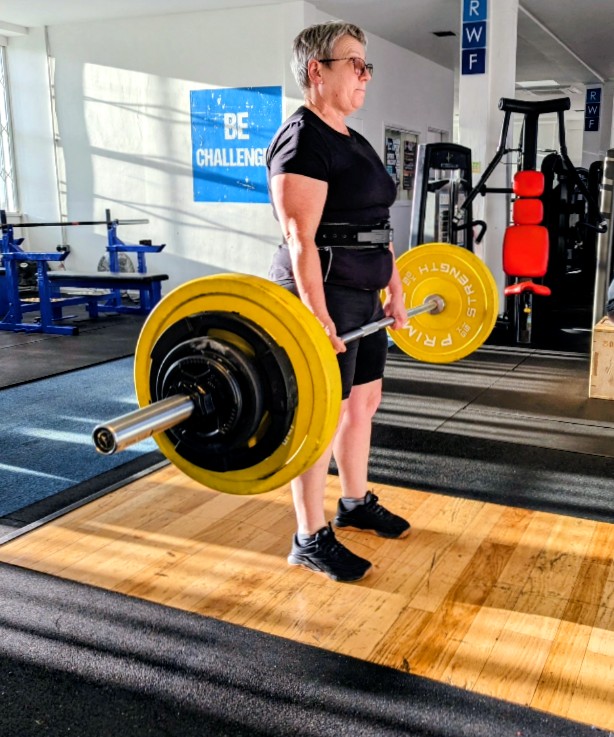
Five Questions People Keep Asking About Strength Training
If you work in fitness long enough, you notice patterns. Not in exercises or programmes, but in questions. The same ones come up again and again, whether someone is brand new to lifting or has been around gyms for years but never really had things explained properly.
Here are five questions I hear most frequently right now. The answers people usually need aren’t complicated, they’re simply just not always explained very well.
1. How often do I actually need to strength train?
Most people assume progress comes from doing more, whether that’s more sessions, more exercises or more variety. In reality, strength responds best to consistency, predictability and recovery.
For the majority of people, two to four proper strength sessions per week is plenty. ‘Proper’ meaning focussed, progressive sessions where the aim is to get a bit stronger over time, not just to get tired that day or achey the day after.
Training more often than that only helps if recovery, sleep, food, and stress are all really well managed. For most adults with jobs, families, and normal levels of stress, fewer high-quality sessions beat doing lots of half-recovered ones.
2. Do I need to lift heavy weights to get stronger?
What ‘heavy’ means is relative. What matters is that the weight is challenging for you.
Strength improves when muscles are asked to do something slightly harder than they’re currently used to. That can be achieved with heavier loads, more reps, better control, or improved technique. Over time, loads usually go up if the actual technique and effort level improves.
For beginners especially, strength gains often come from learning how to move properly and apply force efficiently. You don’t need to chase maximal lifts early on. You need repeatable, well-executed effort.
3. How do I know if I’m doing exercises correctly?
Most people worry about form because they don’t want to get injured. That’s sensible. The problem is that ‘perfect form’ gets treated like a fixed thing that doesn’t change between individuals, when in reality it depends on the person, their structure, their history, and their goals.
Good technique is stable, controlled, and repeatable. It allows you to progress without pain creeping in week after week. If something feels unpredictable, rushed, or different every session, that’s usually where problems start.
Coaching helps, but so does sticking with the same movements long enough to learn them. Constantly swapping exercises makes it very hard to tell whether technique is improving from week to week.
4. Will strength training make me bulky?
This question never really goes away, and it’s usually coming from a misunderstanding of how muscle growth works.
Building visible muscle takes time, effort, food, and a training approach aimed specifically at hypertrophy. It doesn’t happen by accident, and it certainly doesn’t happen quickly.
What most people notice first from strength training is better posture, more tone, and improved body composition. Clothes fit better, movement feels easier, and everyday tasks take less effort. Those changes tend to be what people are actually looking for, even if they don’t realise it at first.
5. Is strength training important for fat loss and ageing?
More people are asking this now, especially as conversations around longevity and health are more prevalent.
Strength training helps preserve muscle mass, which becomes more important as you get older. Muscle isn’t just about lifting weights, it plays a role in metabolism, joint health, balance, and long-term independence.
From a fat-loss perspective, strength training helps people hold onto muscle while dieting, which leads to better results and fewer rebounds. It also tends to make people feel more capable, which improves adherence to a plan. That matters far more than chasing a fleeting calorie burn.
The common thread in all this…
All five of these questions come back to the same thing: people want results without unnecessary complexity.
Strength training works best when it’s simple, consistent, and built around progression over time, not novelty for the sake of it, not constant change, just steady work, done well, for long enough to matter.
Want a free personal training session? No problem, just ask.
Fancy a week’s trial of our Nottingham gym? You’re welcome, just click here.
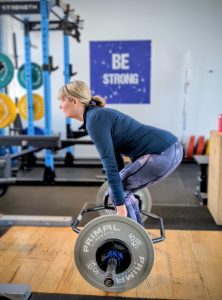
RWF Personal Training Client Brom performing a perfect trap bar deadlift
Strength Training FAQ
How many times per week should I strength train?
For most people, two to four sessions per week is enough to make solid progress. The key is consistency and recovery. More sessions only help if you can recover properly between them.
Do I need to lift heavy weights to get results?
You need to lift weights that are challenging for you. That doesn’t mean maximal loads. Strength improves when you gradually increase demand over time, whether that’s weight, reps, control, or consistency.
How do I know if my technique is good enough?
Good technique is repeatable, controlled, and pain-free over time. If a movement feels stable and you can progress it gradually without aches building up, you’re usually on the right track. Perfection isn’t the goal, consistency is.
Will strength training make me bulky?
No. Building noticeable muscle takes years of focused training, eating, and recovery. Most people see improved shape, posture, and tone long before anything that could be described as ‘bulky’.
Is strength training useful if my goal is fat loss?
Yes. Strength training helps preserve muscle while dieting, which leads to better long-term fat loss results. It also improves strength, confidence, and adherence, which is what actually keeps people consistent.
Is strength training important as I get older?
Very. Maintaining strength helps protect muscle mass, joints, balance, and independence as you age. It’s one of the most reliable ways to stay physically capable long term.
Do I need to change my programme every few weeks?
Not usually. Most people benefit from sticking with a programme for 8 to 12 weeks. Progress comes from improving at movements, not constantly swapping them out.
Sign up to the RWF newsletter

