
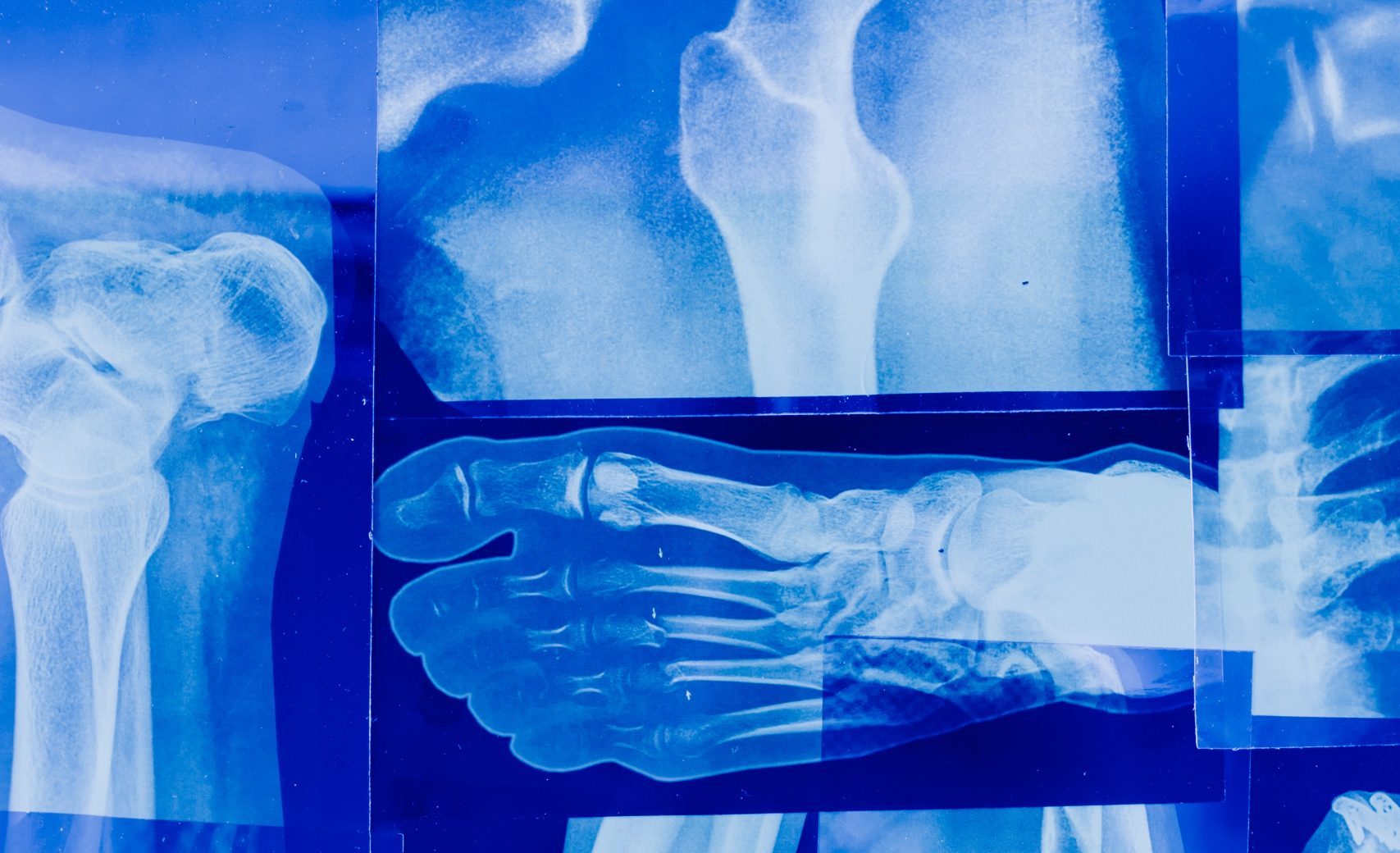
Strength Training and Osteoporosis: Can Exercise Improve Bone Health?
When people think about strength training, they usually picture building muscle, getting stronger or improving their appearance. Those are certainly worthwhile benefits, but they’re only part of the story.
One of the most important reasons to stay active, particularly as we get older, is protecting our bones.
Osteoporosis affects millions of people in the UK and is one of the leading causes of fractures in older adults. The condition often develops silently over many years, with no obvious symptoms until something as simple as slipping on a wet floor or missing a step results in a broken bone.
The encouraging news is that osteoporosis isn’t simply something that happens because we get older. While age, genetics and hormonal changes all play a role, lifestyle has a huge influence on how strong your bones remain throughout life. Regular strength training, good nutrition and healthy habits can all help reduce your risk.
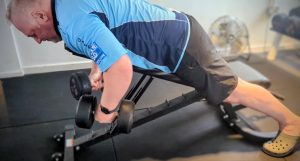
RWF Personal Training Client Paul learning some prone dumbbell row technique
What is osteoporosis?
Bone isn’t a lifeless structure. Throughout your life it is constantly being broken down and rebuilt in a process known as bone remodelling.
When we’re young, we generally build bone faster than we lose it. We reach our peak bone mass somewhere around our late twenties or early thirties. After that, the balance gradually shifts, and bone loss begins to outpace new bone formation.
Osteoporosis develops when this loss becomes significant enough that the bones become weaker, thinner and more fragile. Rather than being solid and dense, they become increasingly porous, making them much more likely to fracture.
Many people don’t realise they have osteoporosis until they suffer their first broken bone.
A fracture following what would normally be considered a relatively minor fall is often the first indication that bone strength has already declined considerably.
Osteopenia vs osteoporosis
Before osteoporosis develops, many people are diagnosed with osteopenia.
Osteopenia simply means that bone density is lower than expected but has not yet reached the level classified as osteoporosis. Think of it as an early warning sign rather than a disease in its own right.
For many people, this is the ideal time to make lifestyle changes. Appropriate strength training, maintaining a healthy body weight, eating enough protein and calcium, and ensuring adequate vitamin D can all help slow further bone loss.
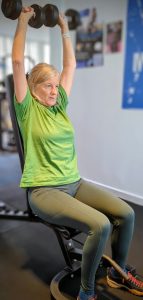
Personal Training client Caroline strengthening her shoulders at RWF Gym Nottingham
Who is most at risk?
Although anyone can develop osteoporosis, certain factors increase the likelihood considerably.
These include:
- Increasing age
- Being female, particularly after the menopause
- A family history of osteoporosis
- Low body weight
- Smoking
- Excessive alcohol consumption
- Long-term steroid medication
- Low levels of physical activity
- Poor calcium or vitamin D intake
Many of these risk factors cannot be changed. Fortunately, several of the most important ones can.
Why is osteoporosis more common in women?
Around one in three women over the age of fifty will experience osteoporosis, compared with around one in five men.
The main reason is the menopause.
Oestrogen plays an important role in maintaining bone health. During and after the menopause, oestrogen levels fall significantly, accelerating bone loss over the following years.
This doesn’t mean osteoporosis is inevitable.
In fact, maintaining muscle strength before, during and after the menopause is one of the most effective lifestyle strategies available for helping preserve bone health and reducing future fracture risk.
Men are certainly not immune either. Bone density also declines with age in men, although the process tends to be more gradual.
Can strength training improve bone health?
In many cases, yes.
Bone responds to the demands placed upon it. When muscles contract against resistance during strength training, they pull on the bones through tendons. This mechanical loading stimulates the body to maintain and, in some people, improve bone strength.
While exercise cannot completely eliminate osteoporosis or guarantee fractures will never occur, research consistently shows that regular resistance training helps slow age-related bone loss and supports healthier bones throughout life.
Just as importantly, strength training builds the muscles that protect the skeleton.
Stronger muscles improve balance, coordination and confidence, making falls less likely in the first place.
For many people, preventing the fall is every bit as important as strengthening the bone.
What type of exercise is best?
Not all exercise affects bone health equally.
Activities that place meaningful load through the skeleton tend to produce the greatest benefit.
Examples include:
- Progressive resistance training
- Free weights
- Resistance machines
- Bodyweight exercises
- Brisk walking
- Climbing stairs
- Weight-bearing functional movements
Swimming and cycling remain excellent forms of exercise for cardiovascular fitness but provide relatively little stimulus for maintaining bone density because they place minimal load through the skeleton.
The key isn’t finding the perfect exercise.
It’s finding an exercise programme you can perform consistently for years rather than weeks.
Is it safe to lift weights with osteoporosis?
For most people, absolutely.
Having osteoporosis doesn’t automatically mean lifting weights is dangerous. In fact, appropriately prescribed resistance training is often encouraged.
The important word is appropriately.
Someone who already has osteoporosis, previous fractures or significant balance problems may need modifications to exercise selection, technique and loading.
Heavy twisting movements or repeated loaded spinal flexion may not be suitable for everyone.
This is why individual assessment matters.
Rather than avoiding exercise altogether, most people benefit from learning how to train safely and progressively.
Nutrition matters too
Exercise is only one part of maintaining healthy bones.
Your body also needs the raw materials required to repair and maintain them.
This includes:
- Adequate protein intake
- Sufficient calcium
- Vitamin D
- Maintaining a healthy body weight
Protein deserves particular attention.
It is sometimes overlooked, especially among older adults, despite being essential for maintaining muscle, supporting recovery and contributing to overall musculoskeletal health.
Smoking and excessive alcohol consumption also increase the risk of osteoporosis and fractures over time.
The real cost of osteoporosis
The biggest consequence of osteoporosis isn’t simply weaker bones. It’s the loss of independence that often follows.
A broken wrist may make everyday activities difficult for weeks or months. A fractured vertebra can lead to chronic pain and reduced mobility. A hip fracture can be genuinely life changing, with many older adults never regaining the same level of independence they previously enjoyed.
Maintaining strength, balance and bone health isn’t simply about preventing fractures.
It’s about remaining active, confident and independent for as long as possible.
How Real World Fitness can help
At Real World Fitness we work with many adults who want to stay strong as they get older, whether they’ve recently been diagnosed with osteopenia, are concerned about osteoporosis, or simply want to age well.
Our focus isn’t on bodybuilding or pushing people beyond their limits.
It’s about helping people become stronger safely, progressively and confidently.
Our coaches have thousands of hours of experience working with clients of all ages and abilities. We also have physiotherapists working from the same facility, allowing us to work alongside other healthcare professionals where appropriate.
Because we deliberately limit membership numbers, you’ll never be trying to learn new exercises in an overcrowded gym. You’ll have the space, equipment and support needed to build strength at your own pace.
If you’re concerned about osteoporosis, osteopenia or simply want to stay stronger as you get older, we’d be happy to help.
Book your free personal training session
If you’re in Nottingham and thinking about working with a personal trainer, this is the perfect opportunity to see what professional coaching can do.
Book your FREE personal training session and discover how expert guidance, a structured plan and genuine accountability can help you build strength, improve your fitness and achieve lasting results.
There’s no pressure and no hard sell. Just the opportunity to experience personal training for yourself, ask questions and see how we work.
After one session, you’ll know whether we’re the right gym, the right coach and the right approach for you.
Frequently Asked Questions
Is strength training good for osteoporosis?
Yes. Strength training is one of the most effective forms of exercise for maintaining bone health. Regular resistance exercise places healthy stress on the bones, encouraging them to maintain their strength while also improving muscle mass, balance and coordination, all of which help reduce the risk of falls and fractures.
Can strength training increase bone density?
Strength training can help slow age-related bone loss and, in some people, improve bone density. The greatest benefits are usually seen when resistance training is performed consistently over months and years rather than weeks.
Is it safe to lift weights if I have osteoporosis?
For many people, yes. However, exercises should be chosen according to your medical history, current strength and fracture risk. Some movements may need modifying, particularly if you have severe osteoporosis or previous spinal fractures. If you’re unsure, seek advice from a qualified healthcare professional or experienced coach.
What exercises are best for osteoporosis?
Weight-bearing and resistance exercises generally provide the greatest benefit. This includes free weights, resistance machines, bodyweight exercises, stair climbing and brisk walking. Swimming and cycling are excellent for cardiovascular fitness but provide less stimulus for maintaining bone density.
What exercises should I avoid with osteoporosis?
Some people with osteoporosis may need to avoid repeated loaded spinal flexion, heavy twisting movements or high-impact activities if they significantly increase fracture risk. The safest approach depends on the individual, so exercise programmes should always be tailored accordingly.
What is the difference between osteopenia and osteoporosis?
Osteopenia means bone density is lower than normal but not low enough to be classified as osteoporosis. It is often considered an early warning sign and provides an excellent opportunity to improve bone health through exercise, nutrition and other lifestyle changes.
Does menopause increase the risk of osteoporosis?
Yes. After the menopause, falling oestrogen levels accelerate bone loss, making osteoporosis much more common in women over fifty. Strength training, adequate nutrition and healthy lifestyle habits can all help reduce this increased risk.
Can osteoporosis be prevented?
Although not every case can be prevented, many people can significantly reduce their risk by staying physically active, performing regular strength training, eating enough protein and calcium, maintaining healthy vitamin D levels, avoiding smoking and limiting excessive alcohol intake.
Does protein help prevent osteoporosis?
Protein is essential for maintaining muscle and supporting the body’s repair processes. While calcium and vitamin D often receive most of the attention, adequate protein intake is also an important part of maintaining healthy bones throughout life.
Can personal training help if I have osteoporosis?
Yes. An experienced personal trainer can design a programme that matches your current ability, medical history and confidence. The aim is to help you become stronger safely, improve balance and reduce your risk of falls while avoiding exercises that may not be appropriate for your condition.
Book a free Personal Training session today
If you’re in Colwick, Netherfield, West Bridgford, or anywhere else in Nottingham and you’re considering personal training, now’s your chance!
Book your FREE personal training session today and turn your fitness dreams and transformation goals into an achievable reality.
Don’t just take our word for it; feel the difference in guidance, expertise, and motivation. Nottingham residents, your journey to the best version of yourself starts with just one session.

